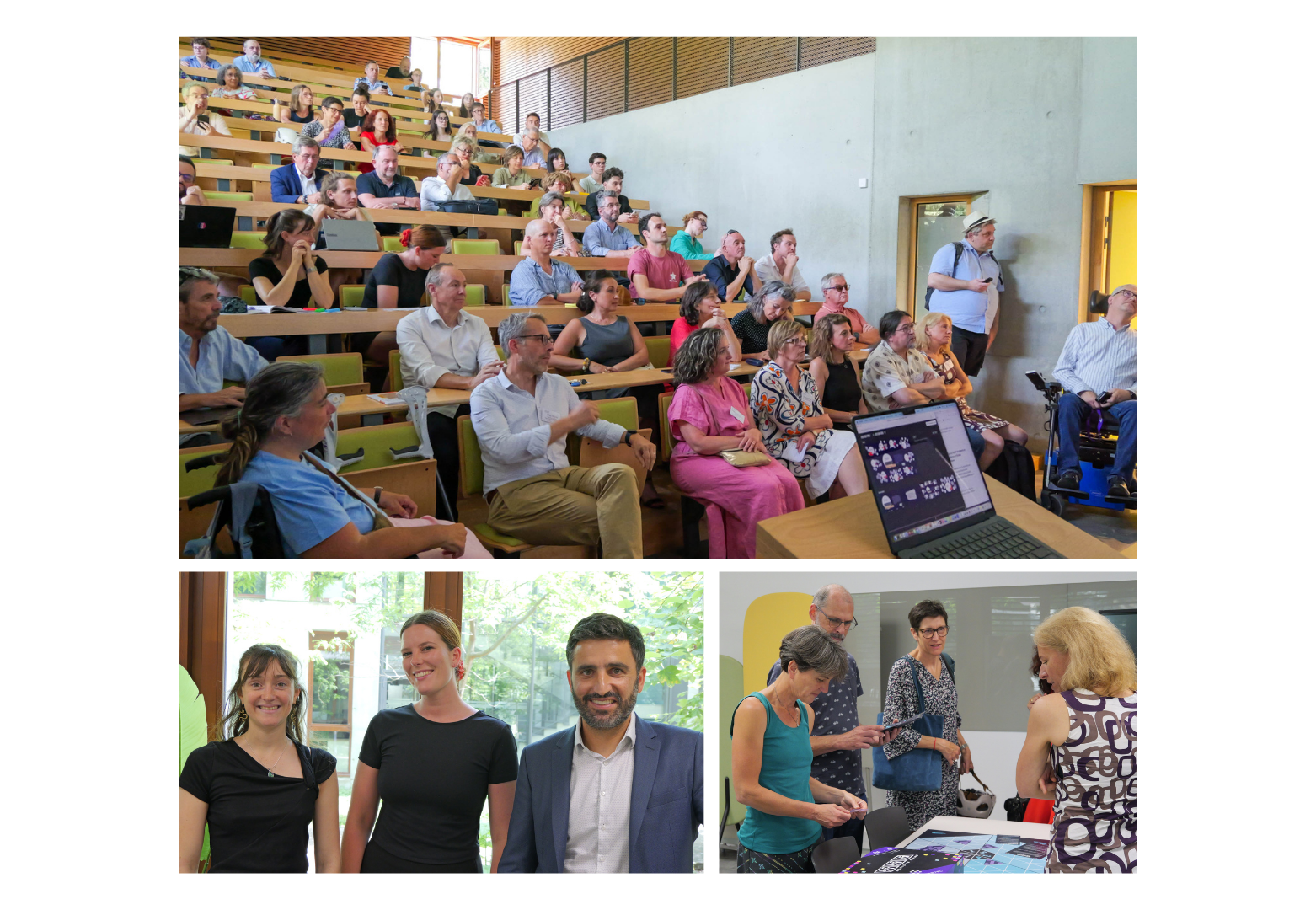
The Policy Lab: A Third Place and an Innovative Teaching Method
More than just a spatial design, the Policy Lab embodies the school’s vision for the integration of skills and project-based learning.
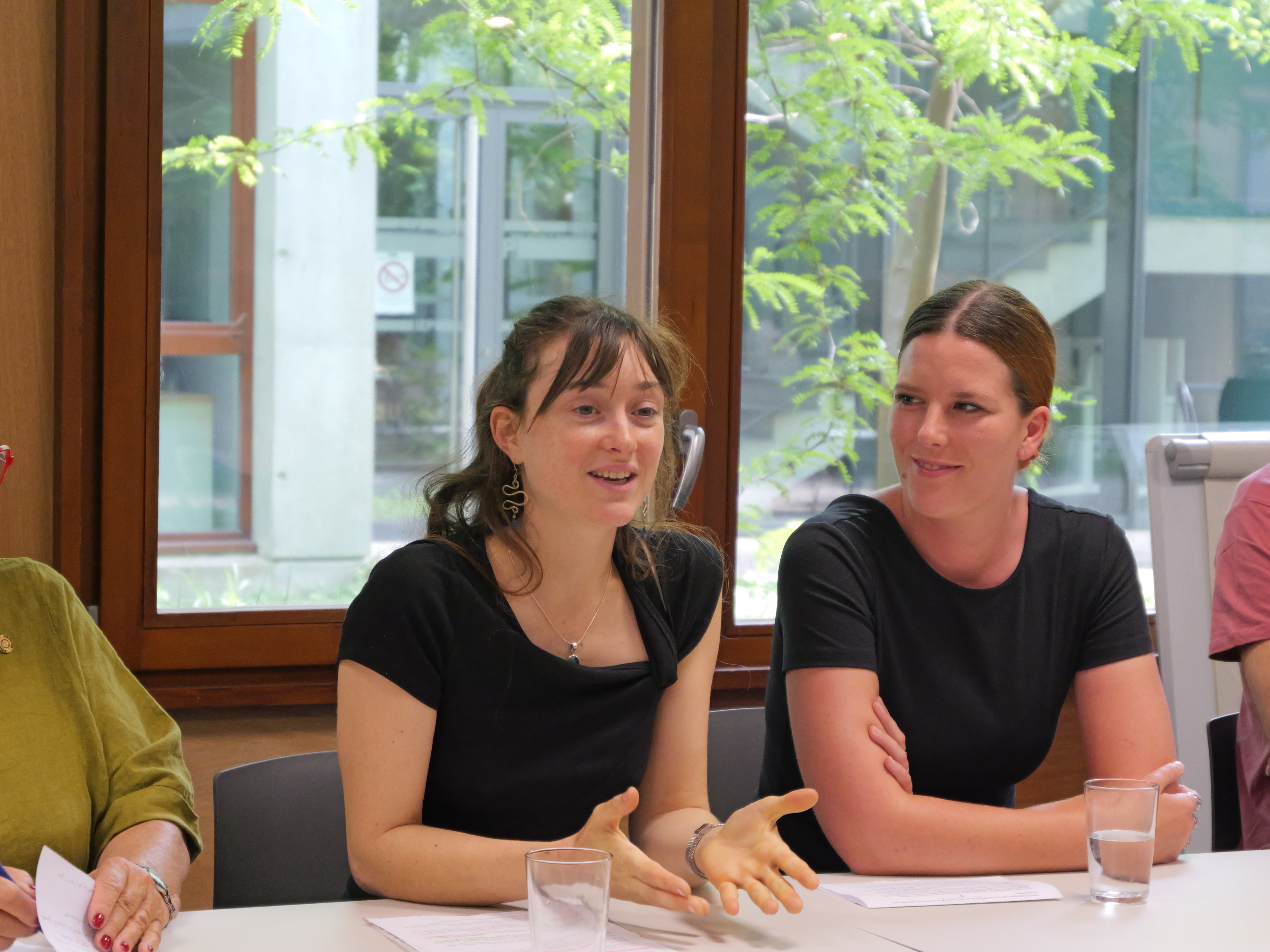
“The Policy Lab is a concept that is both a physical space—a room dedicated to partnerships and collaborative work, whether in person or remotely—and a framework that could be described as engaging students in work that serves society, under the guidance of our faculty members,”
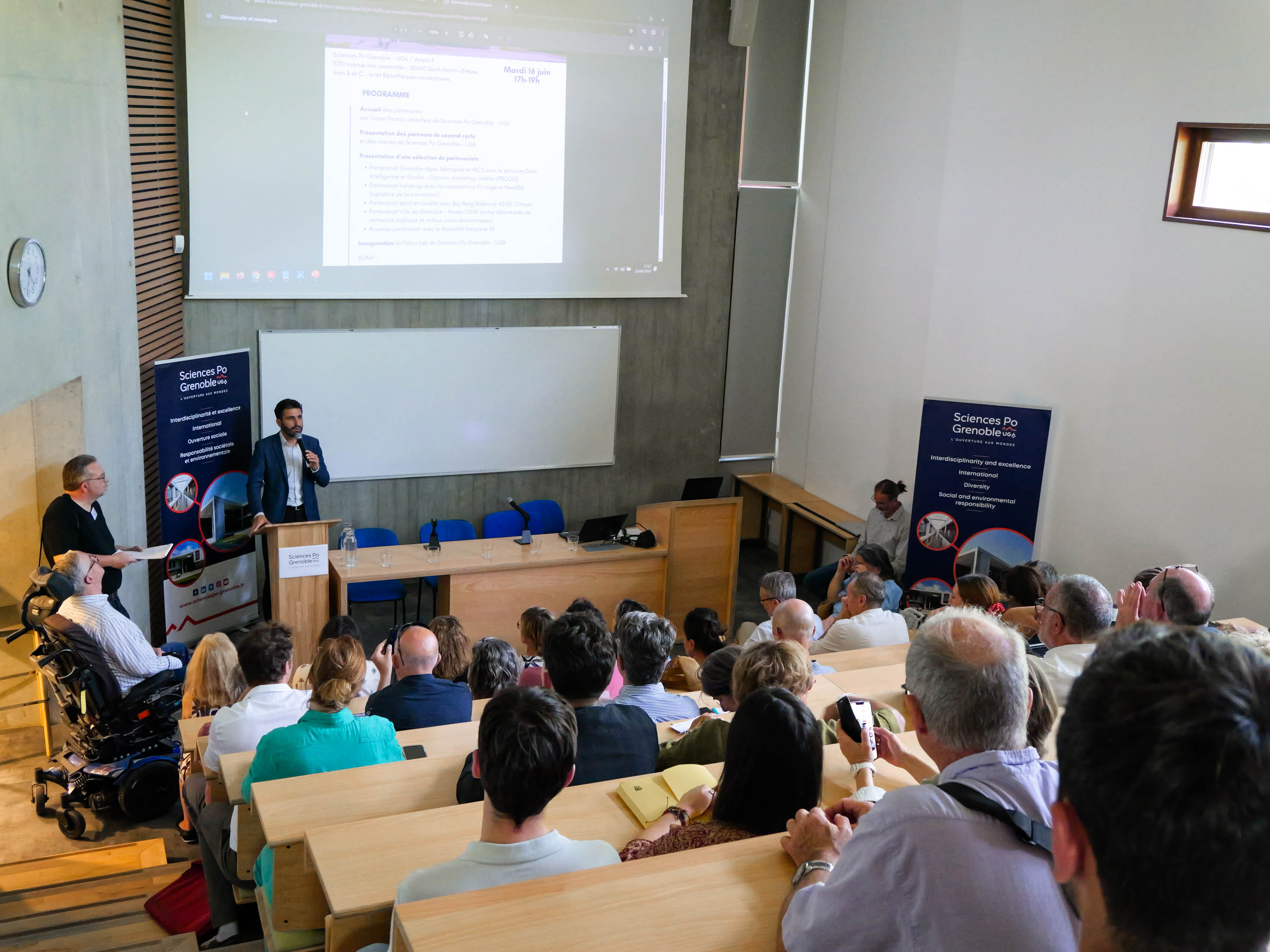
explained Simon Persico, director of Sciences Po Grenoble - UGA, during his opening remarks.
The stated goal of the administration, alongside Laurent Labrot, Head of Partnerships and Associate Professor, is clear: to systematize the co-creation process, increase the visibility of the institution and its partners, and develop a clear and accessible program for external stakeholders.
A career-oriented degree focused on social impact
The event also served to highlight the structure of the Institute’s Education (17 master’s programs) and its research chairs in relation to current societal issues. These collaborations fall into three main areas:
Educational Openness: The Involvement of Professionals in Vocational Programs.
sourcing interns and recruiting recent graduates.
Action research: launching joint projects (surveys, developing training programs, events, CIFRE theses) to support partner organizations.
Research, managerial innovation, culture, inclusion, and disability: tangible synergies within the region and beyond.
To illustrate the vitality of these partnerships, several notable achievements and new agreements were presented:
- Data and Cultural Policies: The focus was on the partnership between MC2 (Maison de la Culture de Grenoble) and the PROGIS master’s program (Data Intelligence and Studies), which aims to analyze changes in the cultural institution’s audiences, particularly young people.
- Inclusion and Equal Opportunity: The evening featured the official signing of a partnership agreement on disability with the organizations Fil Rouge (which produces awareness-raising documentaries) and Handi38. The institution also highlighted its initiatives with AFEV and Les Cordées de la réussite to make access to its programs more inclusive.
- Transition and Public Policy: The work conducted with the Mountain Wilderness association on sustainable mobility in mountain regions has highlighted the students’ contribution to public decision-making.
- Research and Management Innovation: The development of CIFRE thesis projects with the City of Grenoble, as well as initiatives to incorporate gamification into management (serious games) with private companies, were highlighted. A new strategic partnership was also established with Mutualité Française 38.
At the close of the event, the institution reaffirmed its commitment to the Sustainable Development Goals (SDGs) by announcing the awarding of the Peace Prize to two students, in partnership with the International Alliance for the SDGs and the Rotary Club.
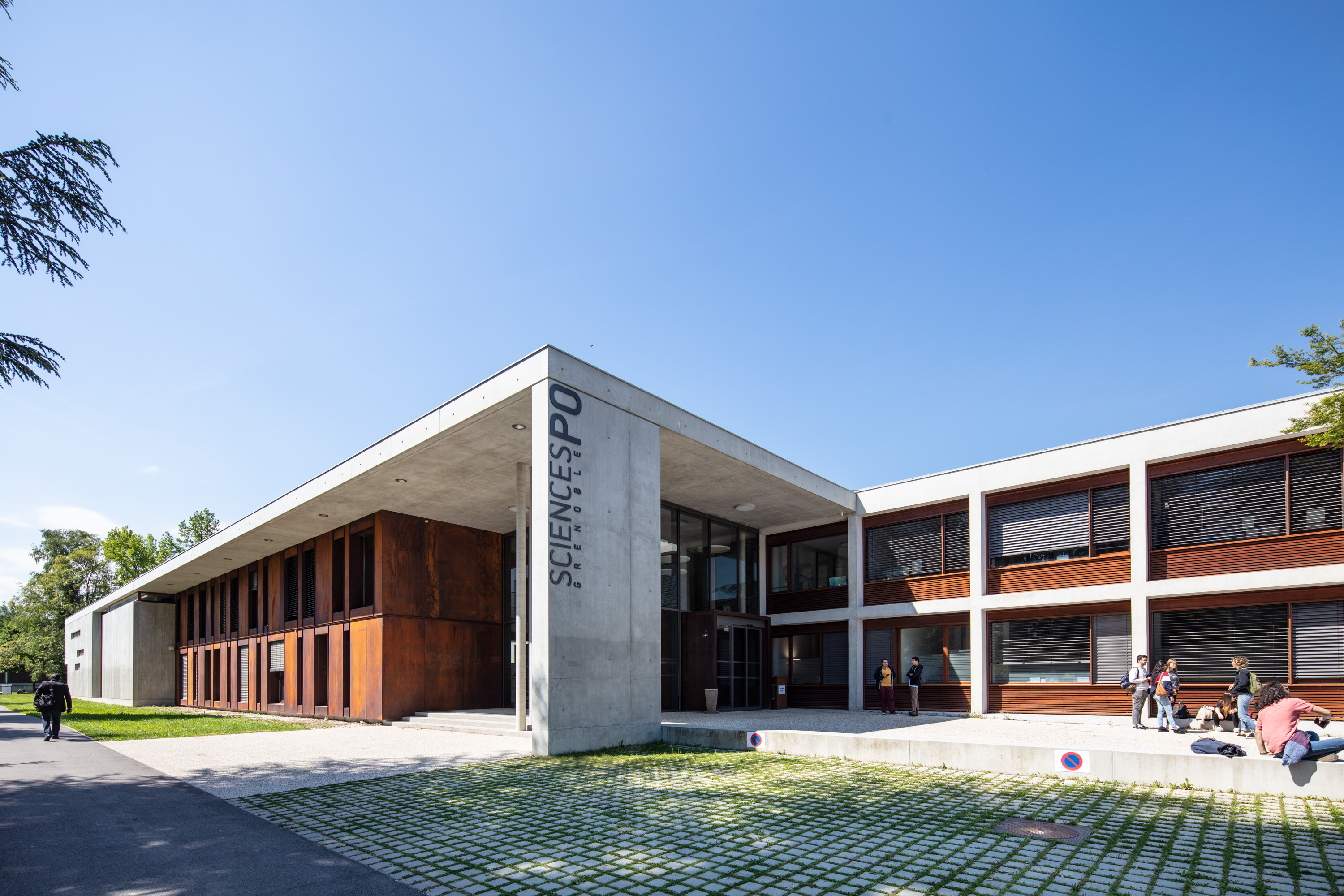
About Sciences Po Grenoble - UGA: As a legally distinct unit of the Université Grenoble Alpes, Sciences Po Grenoble trains future leaders for the public, private, and nonprofit sectors each year. With its 17 graduate programs, the institute places international outreach, academic rigor, and civic engagement at the heart of its educational mission.