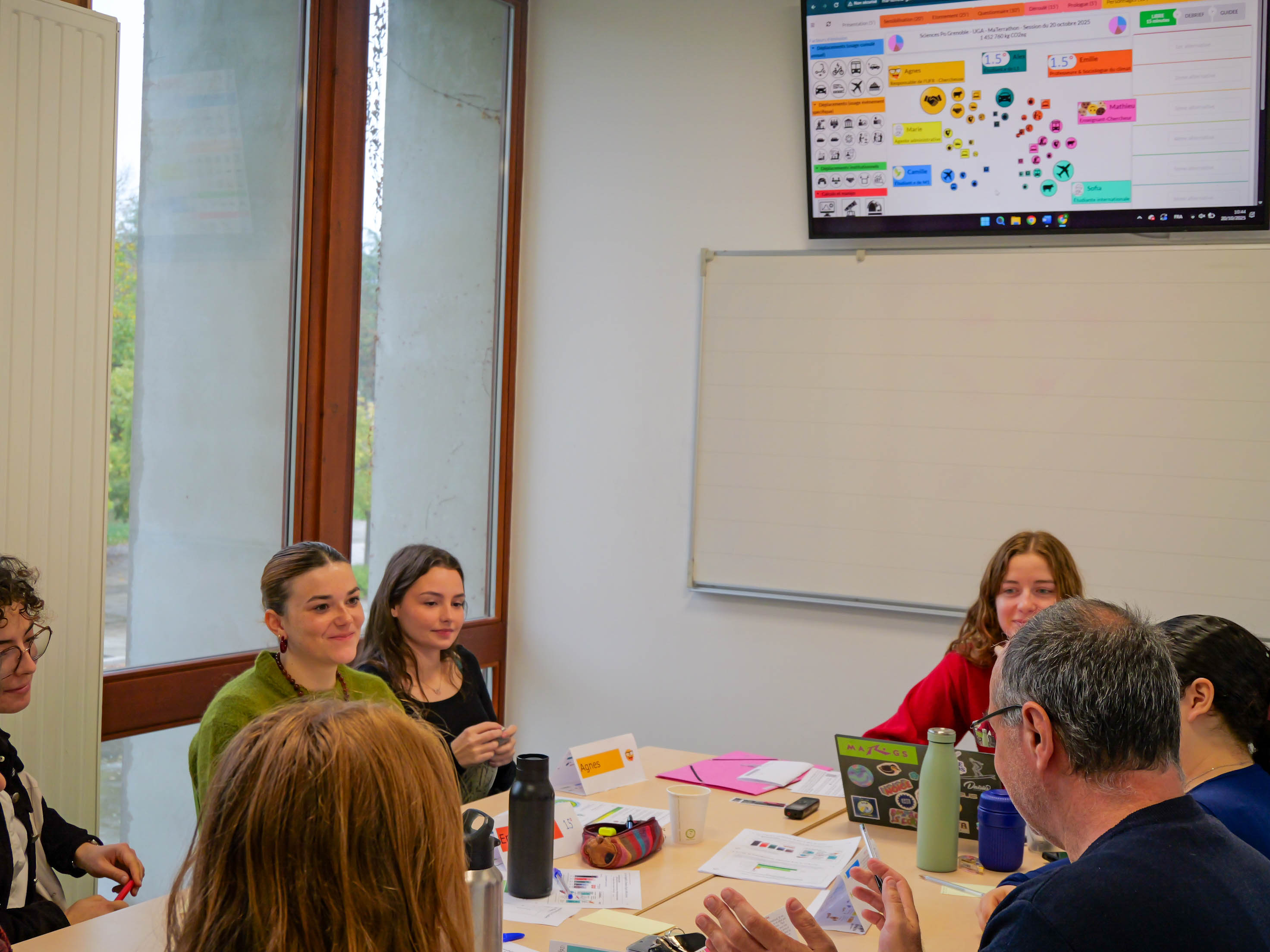
Gathered around 36 thematic tables, participants discussed, quantified, and prioritized their proposals: reducing and decarbonizing transportation, creating an environmental fund, promoting plant-based diets, improving waste sorting, sharing audiovisual equipment, and promoting energy efficiency in buildings. At the end of the discussions, the scenarios developed showed a median reduction of 39.2% in the carbon footprint—an ambitious result, but one that aligns with the regulatory obligations of Sciences Po Grenoble - UGA.
The feedback survey, which was completed by more than 200 people, reflects a strong sense of collective commitment: an overwhelming majority expressed satisfaction with the experience, describing it as “stimulating,” “friendly,” and “useful.” The most frequently cited favorite initiative was the establishment of a green participatory budget.
The discussions continued into the afternoon during a series of interdisciplinary panels, where researchers and practitioners explored the connections between sustainability, social justice, and environmental democracy. The results of the MaTerrathon will now inform several research projects, including two theses and five scientific publications currently in progress, as well as an outreach program targeting other audiences, such as the “Ma Terre en classe” project—a role-playing game aimed at decarbonization for high school students.
For more information on the findings and methodology, seethe article in The Conversation dated March 4, 2026.
As Simon Persico put it,“Learning through play, dialogue, and negotiation around decarbonization measures brings the transition to life: this MaTerrathon marks the start of an ambitious, collective journey.”
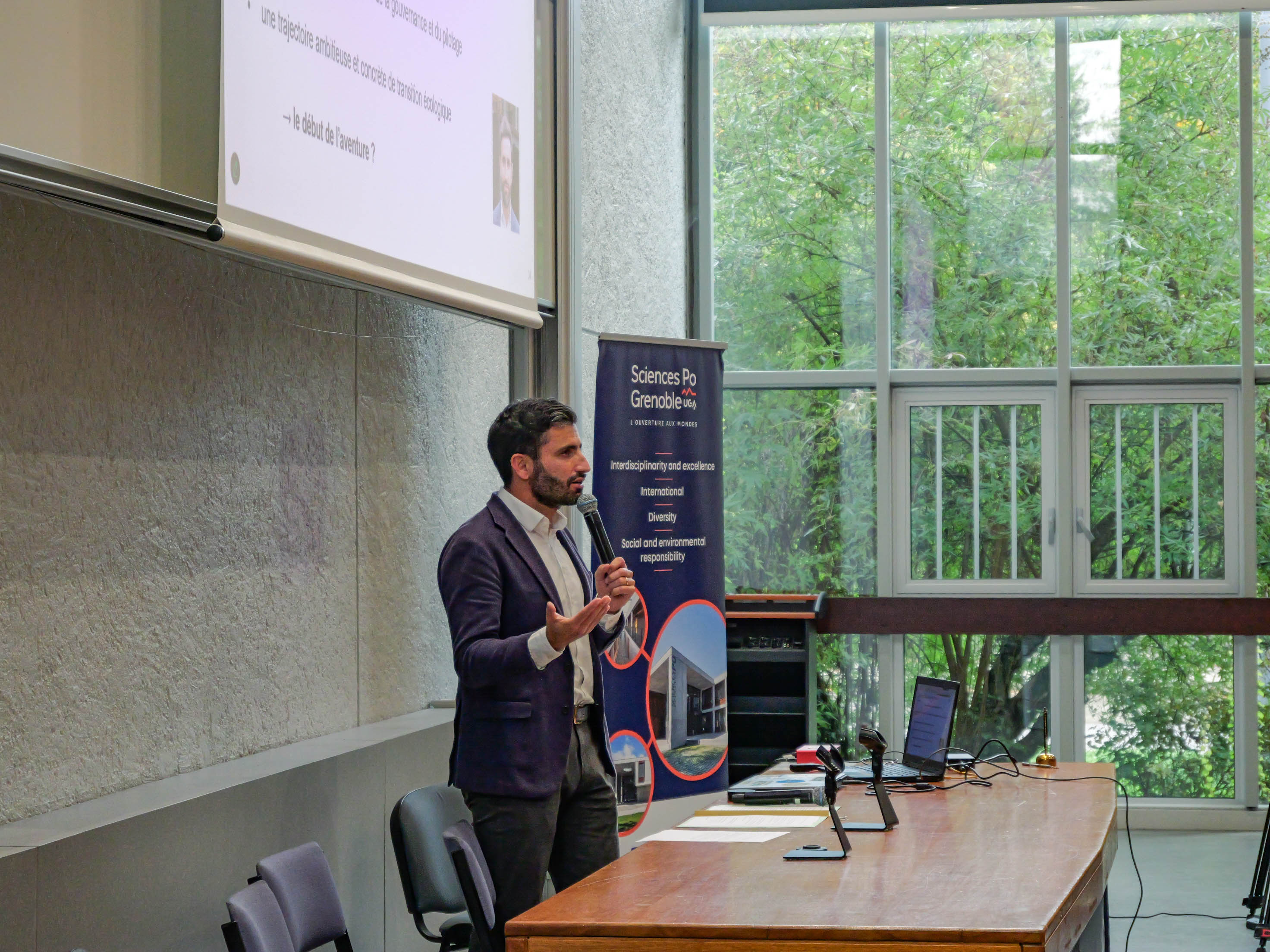
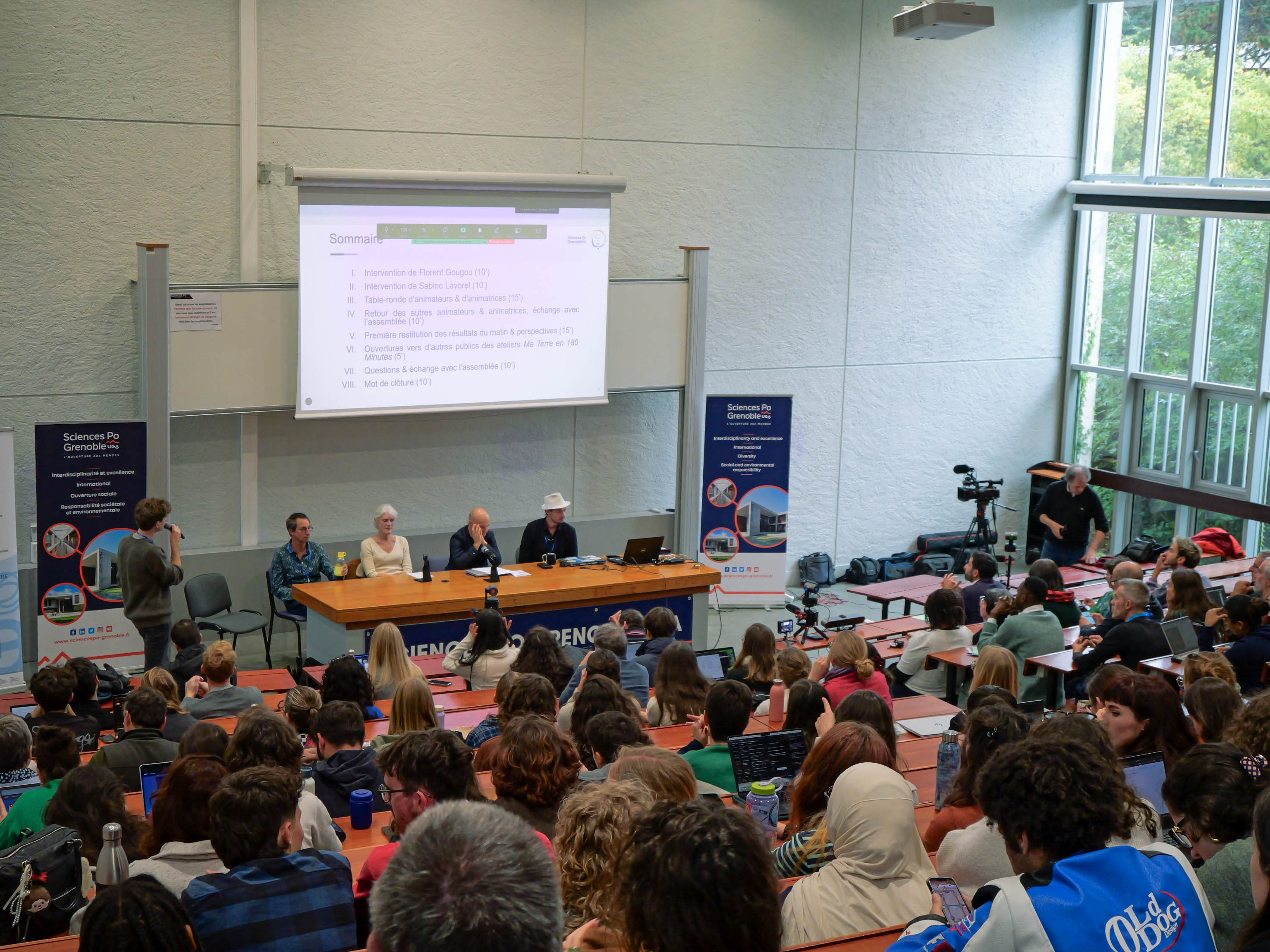
The Sciences Po Grenoble - UGA MaTerrathon in videos
Aftermovie, interviews... relive the event and get a behind-the-scenes look with the people who made it happen.